
Bonanza Cannabis Quality
The Science of Onset: Why Edibles Feel Different Than Vapes
Understanding bioavailability, metabolism and responsible dosing to choose the right cannabis experience for your needs
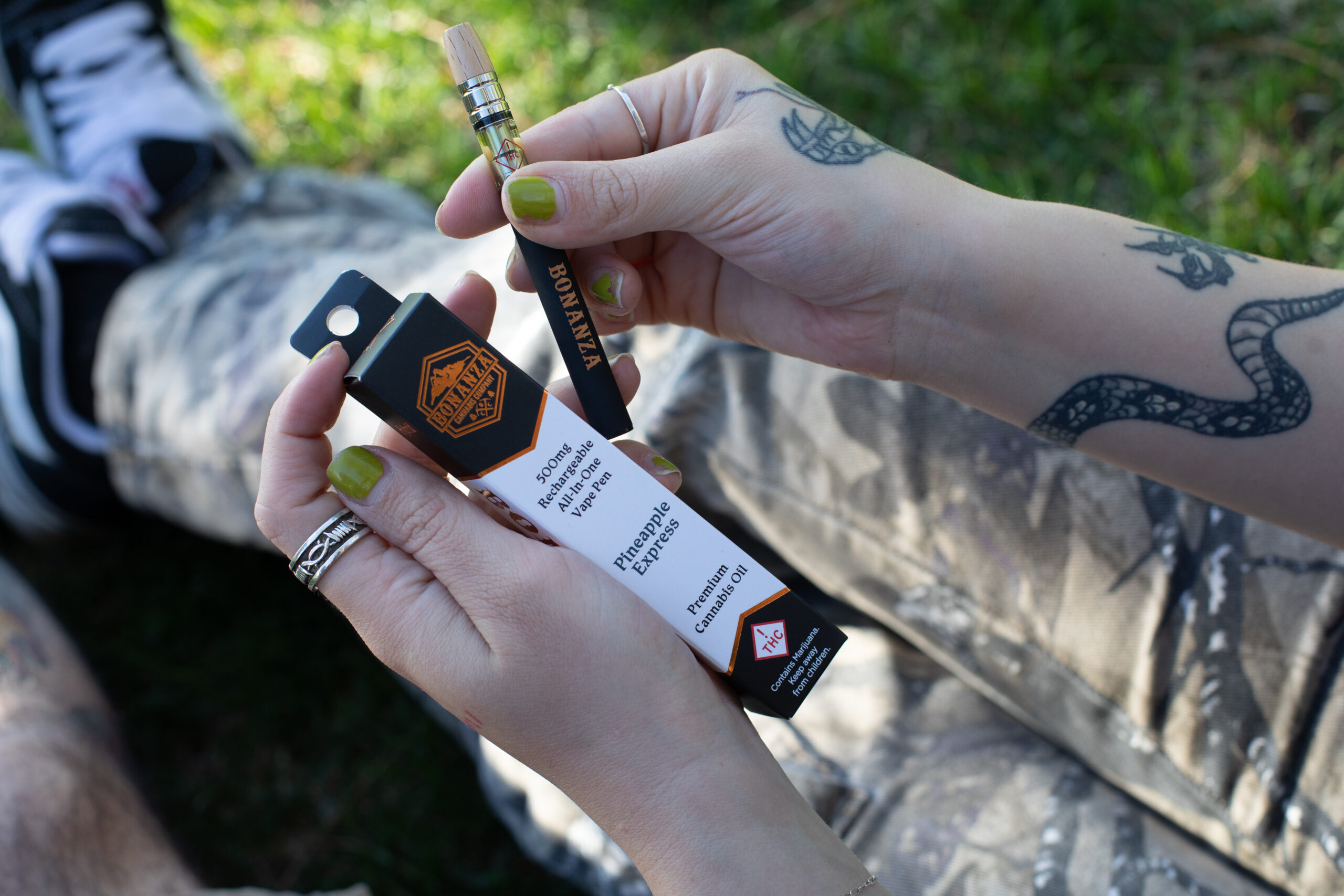
When consumers compare cannabis vapes to edibles, the most common question is simple: Why do they feel so different? The answer lies in bioavailability, metabolism and how the body processes cannabinoids depending on the method of consumption. Understanding these differences can help you dose responsibly and choose the format that fits your lifestyle.
When you inhale cannabis through a vape, cannabinoids like THC enter the bloodstream through the lungs. This process allows compounds to bypass the digestive system and liver initially, producing effects within minutes or even seconds.
According to research published by the National Institutes of Health, inhaled THC has relatively high bioavailability compared to oral consumption because it avoids what’s known as “first-pass metabolism.” Effects typically peak within 30 minutes and may last 2-4 hours, depending on tolerance and dose.
This rapid onset makes vapes appealing for:
- Adjustable dosing
- Immediate feedback
- Situational or social use
- Consumers seeking shorter duration
Because effects are felt quickly, users can better gauge their intake in real time. However, potency still matters, especially with high-THC live resin or distillate cartridges.
Ingestion: Slower onset, stronger body effects
Edibles follow a very different biological pathway. When you consume a gummy or infused chocolate, THC travels through the digestive system and is metabolized by the liver. During this process, delta-9-THC is converted into 11-hydroxy-THC, a metabolite that crosses the blood-brain barrier more efficiently and can feel more intense and longer-lasting.
Research from Johns Hopkins Medicine shows that oral THC may take 30-90 minutes to onset, with peak effects often occurring 2-4 hours after ingestion. Total duration can extend 6-8 hours or sometimes even longer.
Because of 11-hydroxy-THC, edibles often feel:
- More full-body or sedating
- Longer lasting
- Stronger at comparable milligram doses
This delayed onset is where many consumers run into challenges. Taking more before the first dose has fully activated can result in an unexpectedly intense experience.
Bioavailability: Why dose numbers don’t tell the whole story
Bioavailability refers to how much of a substance enters circulation and produces active effects. Inhaled THC may have bioavailability estimates between 10-35%, while oral THC can be lower and more variable due to digestion and metabolism differences between individuals.
Factors that influence edible effects include:
- Body composition
- Metabolism speed
- Whether you have eaten recently
- Tolerance level
- Product formulation (nano-emulsions may shorten onset time)
This variability explains why 10 mg in a vape session does not feel the same as 10 mg in an edible.
Dosing responsibly
Understanding onset timing empowers you to match your product to your goals whether that’s quick, controllable effects from a vape or longer-lasting relaxation from an edible. Whether inhaling or ingesting, responsible dosing is essential:
For edibles:
- Start with 2.5–5 mg THC if you are new
- Wait at least 2 hours before increasing
- Avoid mixing with alcohol
For vapes:
- Start with one small inhalation
- Wait 10–15 minutes before another
Choose lower-potency options if you prefer lighter effects
Cannabis is not one-size-fits-all. By learning how your body processes different formats, you can make informed choices and create a more predictable, enjoyable experience every time.